
Common Pests In the Northwest
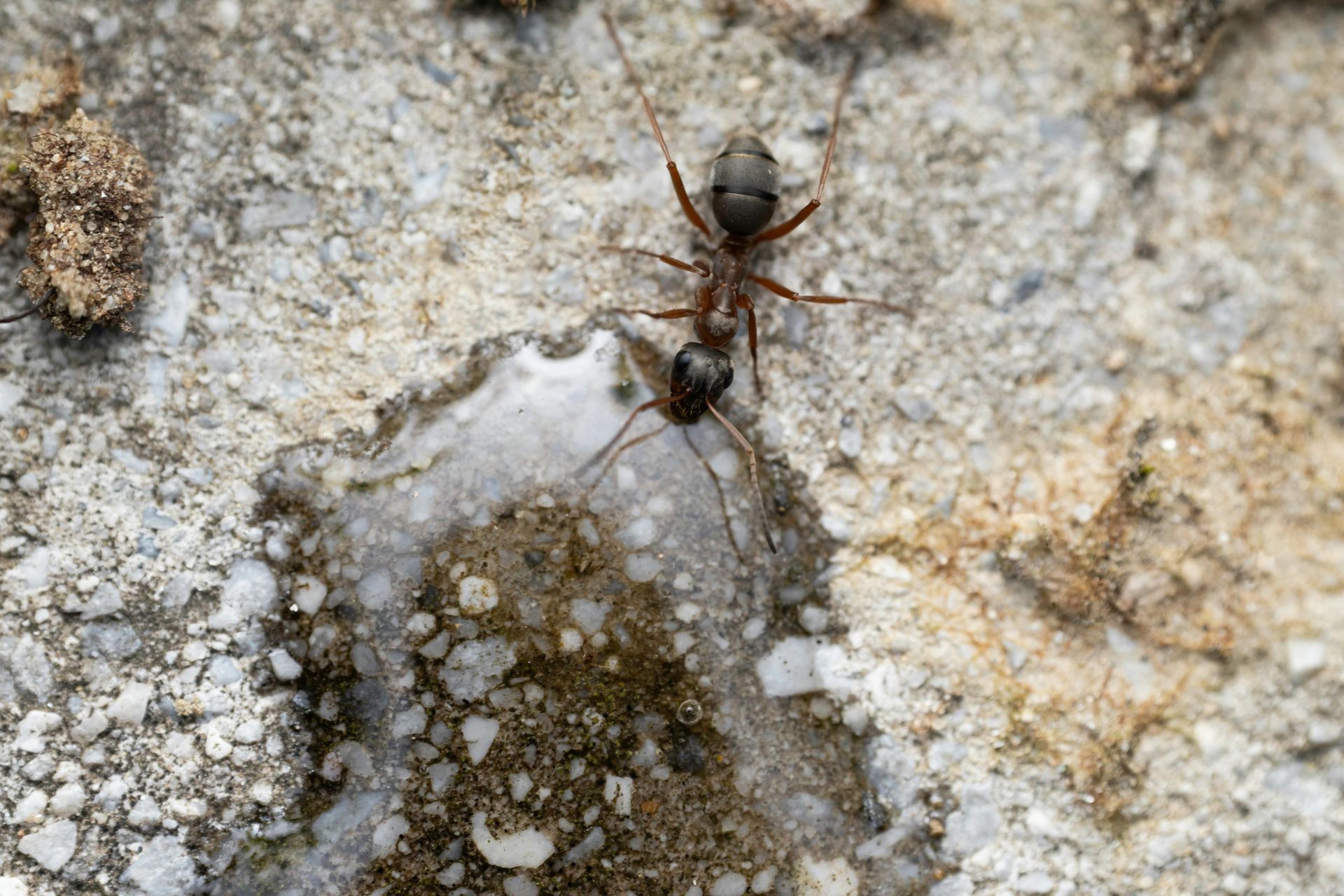
Pavement Ants
Common Pest
These light to dark brown ants are infamous for their huge, sprawling colonies and ability to displace native ants. They are common in urban areas and seek shelter in homes during weather extremes
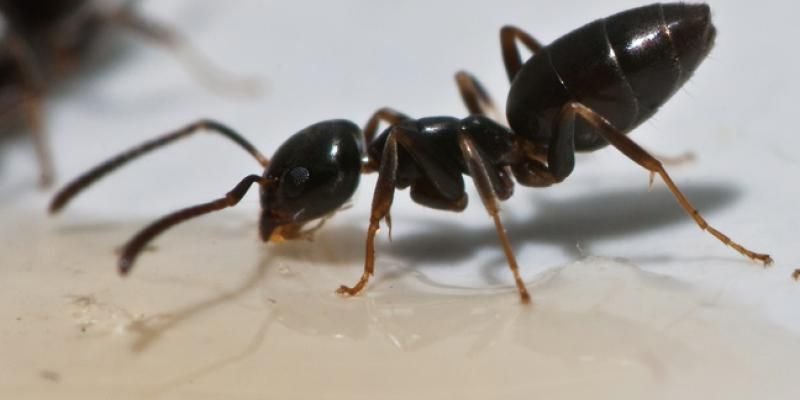
Odorous House Ants
Common Pest
When crushed, these small, dark brown to black ants release a distinct, unpleasant odor, often described as similar to rotten coconut. They prefer to nest in soil under debris and are drawn to sweets.
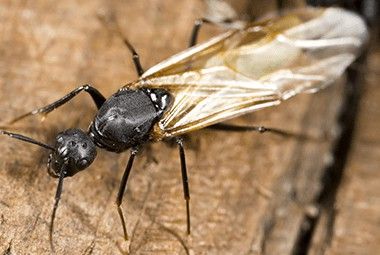
Carpenter Ants
Specialty Pest | Wood Destroying
These larger ants, which can be black or red and black, excavate tunnels in wood to create nests, potentially causing significant structural damage to wood framing, window sills, floor joists and roof trusses.
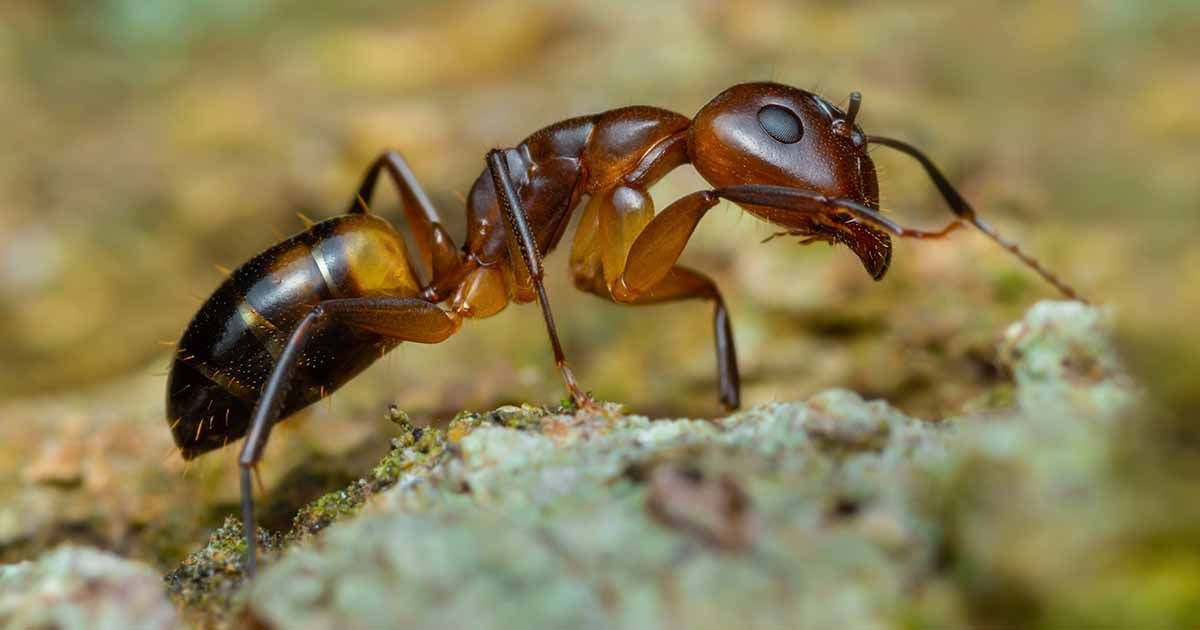
Argentine Ants
Specialty Pest
These light to dark brown ants are infamous for their huge, sprawling colonies and ability to displace native ants. They are common in urban areas and seek shelter in homes during weather extremes.
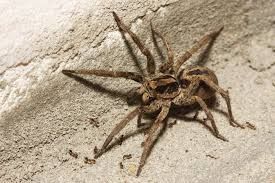
Wolf Spider
Common Pest | Non Venomous
The wolf spider, known for its impressive size and distinctive appearance, can vary in color, often showcasing a blend of browns and greys that help it blend seamlessly with its natural environment. While they may look scary, they are commonly mistaken for Brown Recluse spiders. Wolf spiders are not considered to be dangerous to humans.
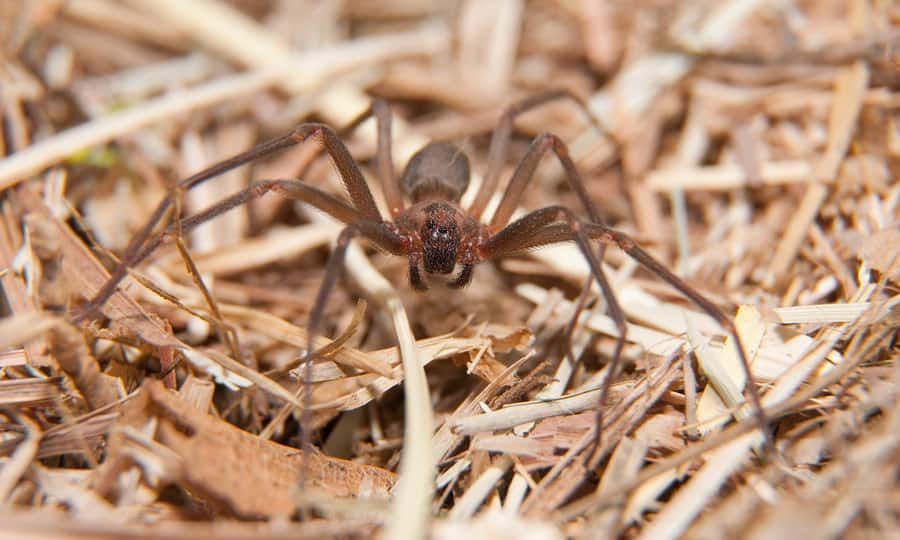
Brown Recluse
Common Pest | Venomous
The brown recluse spider, varying in color from light to dark brown, is known for its distinctive violin-shaped marking on its back. This spider prefers to hide in undisturbed areas, often seeking shelter in homes, particularly during weather extremes. Unlike social insects, the brown recluse is solitary and notorious for its venomous bite, which can cause significant harm if left untreated.
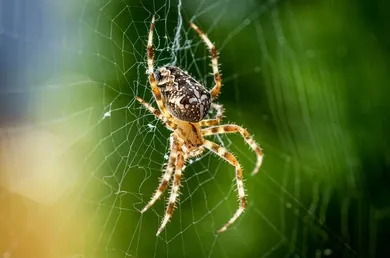
Orb Weaver
Common Pest | Non Venomous
The orb weaver spider is a spider known for its stunning web designs. With its distinctive round body, which can be vibrant green or earthy brown, it has long legs that help in weaving impressive orb-shaped webs. Found in gardens and forests, orb weavers are skilled hunters that use their webs to trap prey.
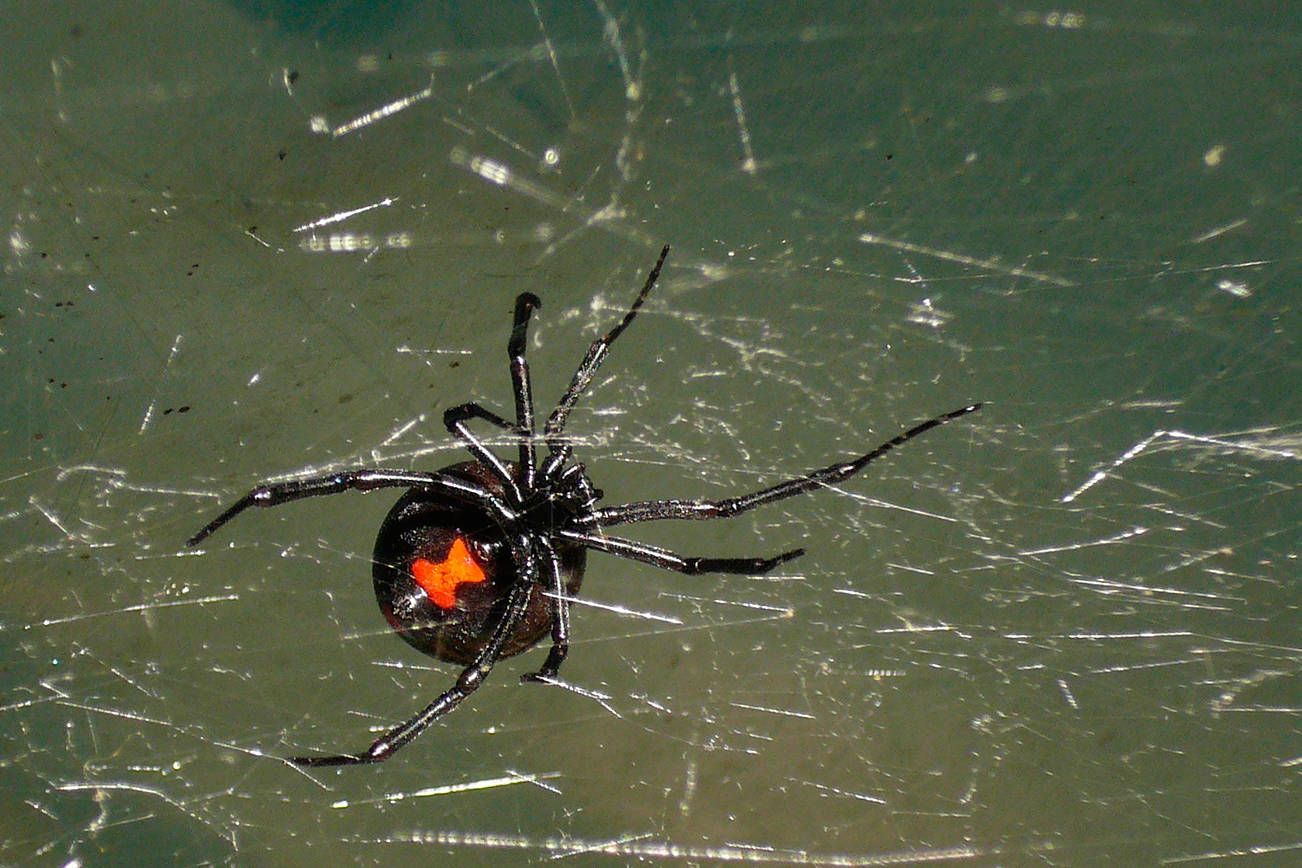
Black Widow
Specialty Pest | Venomous
The black widow spider is easily recognized by its glossy black body and distinctive red hourglass marking on the underside of its abdomen. Known for their potent venom, these spiders are infamous for their solitary nature, typically dwelling alone in dark, secluded areas. Found in various environments, including urban settings, they often seek shelter in garages, basements, and crawl spaces, especially during extreme weather conditions.
Paper Wasps
Common Pest | Stinging
Paper wasps, recognizable by their slender bodies and long legs, exhibit a striking appearance with vibrant yellow and black patterns that can vary among species. These social insects construct intricate, open-faceted nests made from chewed wood fibers mixed with saliva, creating a paper-like material. Although their appearance can be intimidating, paper wasps are generally not as aggressive as Yellow Jackets or Bald Faced Hornets.
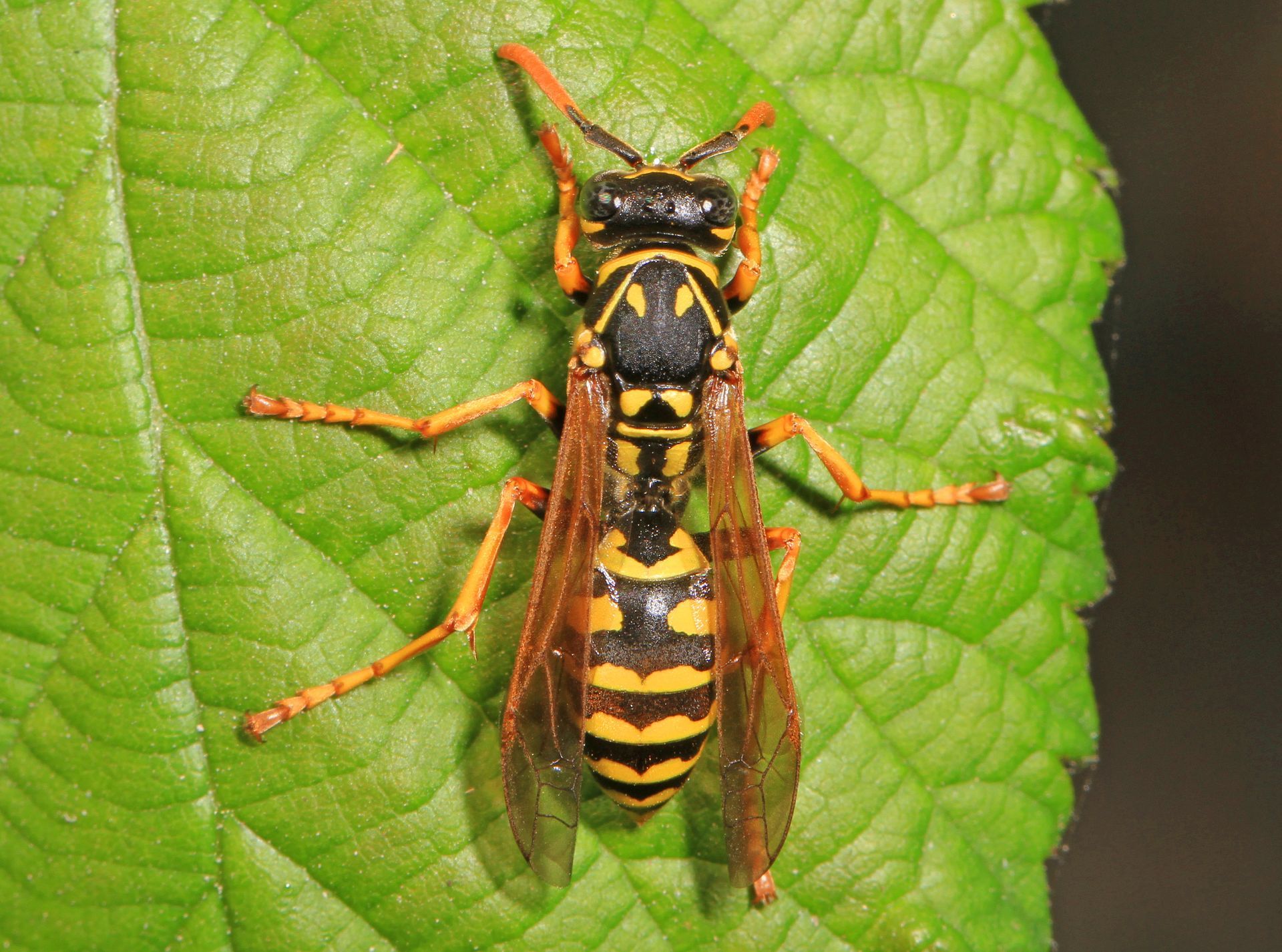
Yellow Jackets
Common Pest | Stinging | Aggressive
Yellow jackets, recognizable by their striking black and yellow stripes, are aggressive wasps known for their social behavior. These insects build paper-like nests in hidden locations, often in the ground or within structures. Unlike solitary insects, yellow jackets live in colonies and can be incredibly defensive when their nests are threatened. Their painful sting can cause allergic reactions in some individuals, making caution essential.
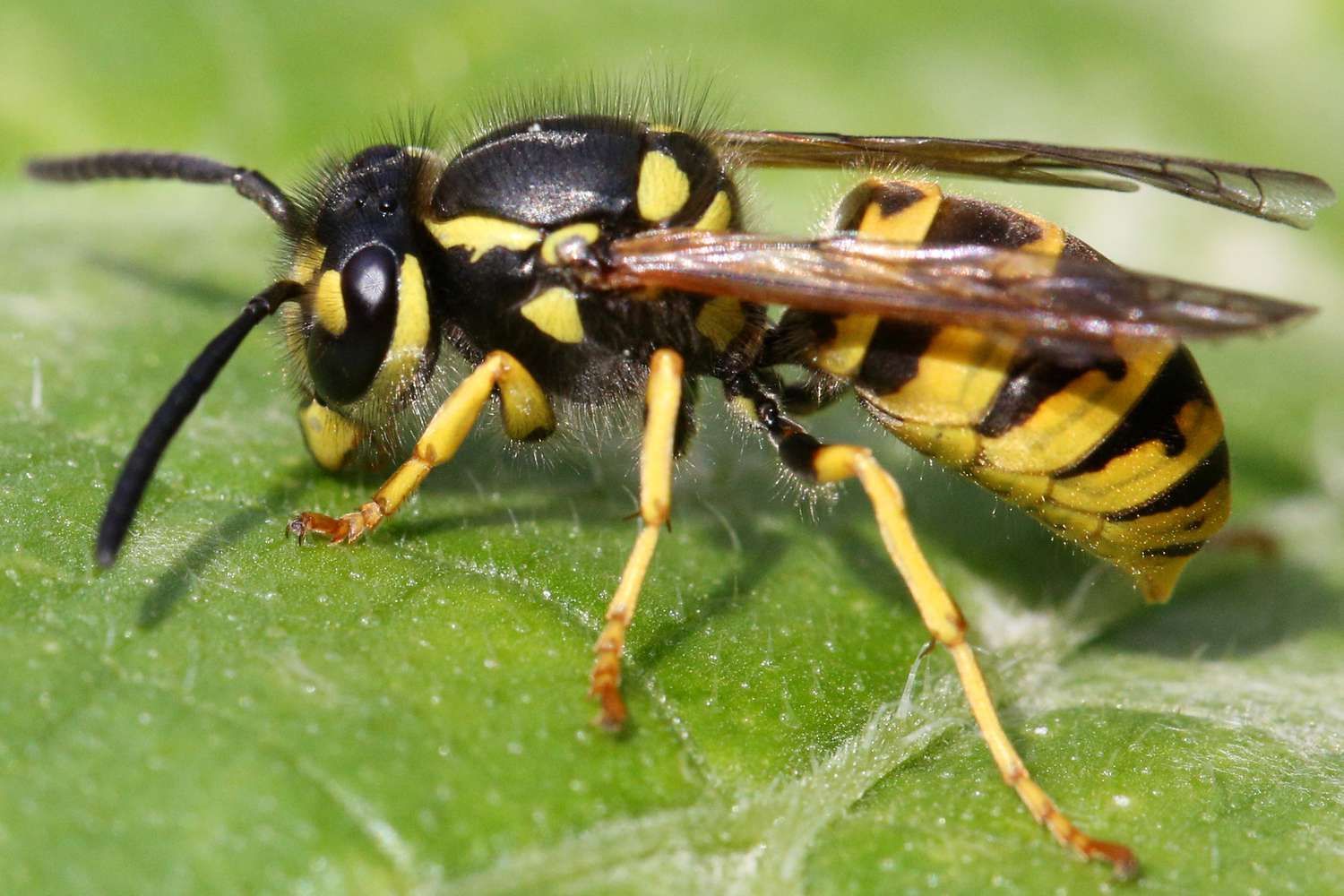
Bald Faced Hornets
Specialty Pest | Stinging | Aggressive
Bald-faced hornets are large, black and white wasps known for their aggressive behavior and potent venom. They build large, football-shaped nests high in trees. Their venom can cause intense pain and allergic reactions, making them particularly dangerous when threatened. Highly territorial, these hornets fiercely defend their nests, attacking in swarms when provoked, PROCEED WITH CAUTION.
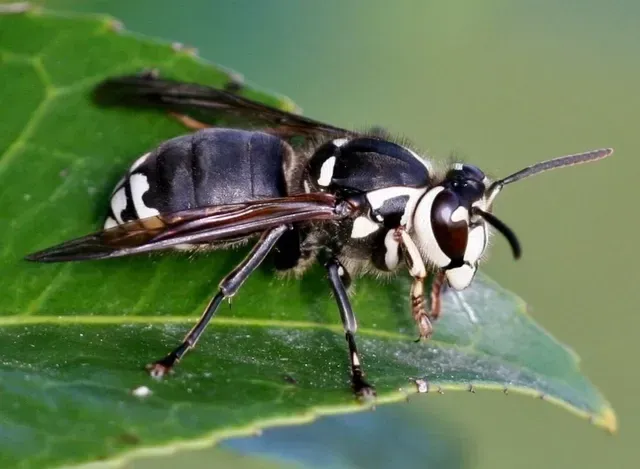
Bees
Specialty Pest | Stinging | Pollinator
Honey bees are vital pollinators, known for their organized social structure within colonies. They communicate through dance and produce honey from nectar, storing it for winter. If you encounter a hive near your home, it's best to call a local beekeeper for safe removal. This helps protect both the bees and your property, ensuring a harmonious coexistence.
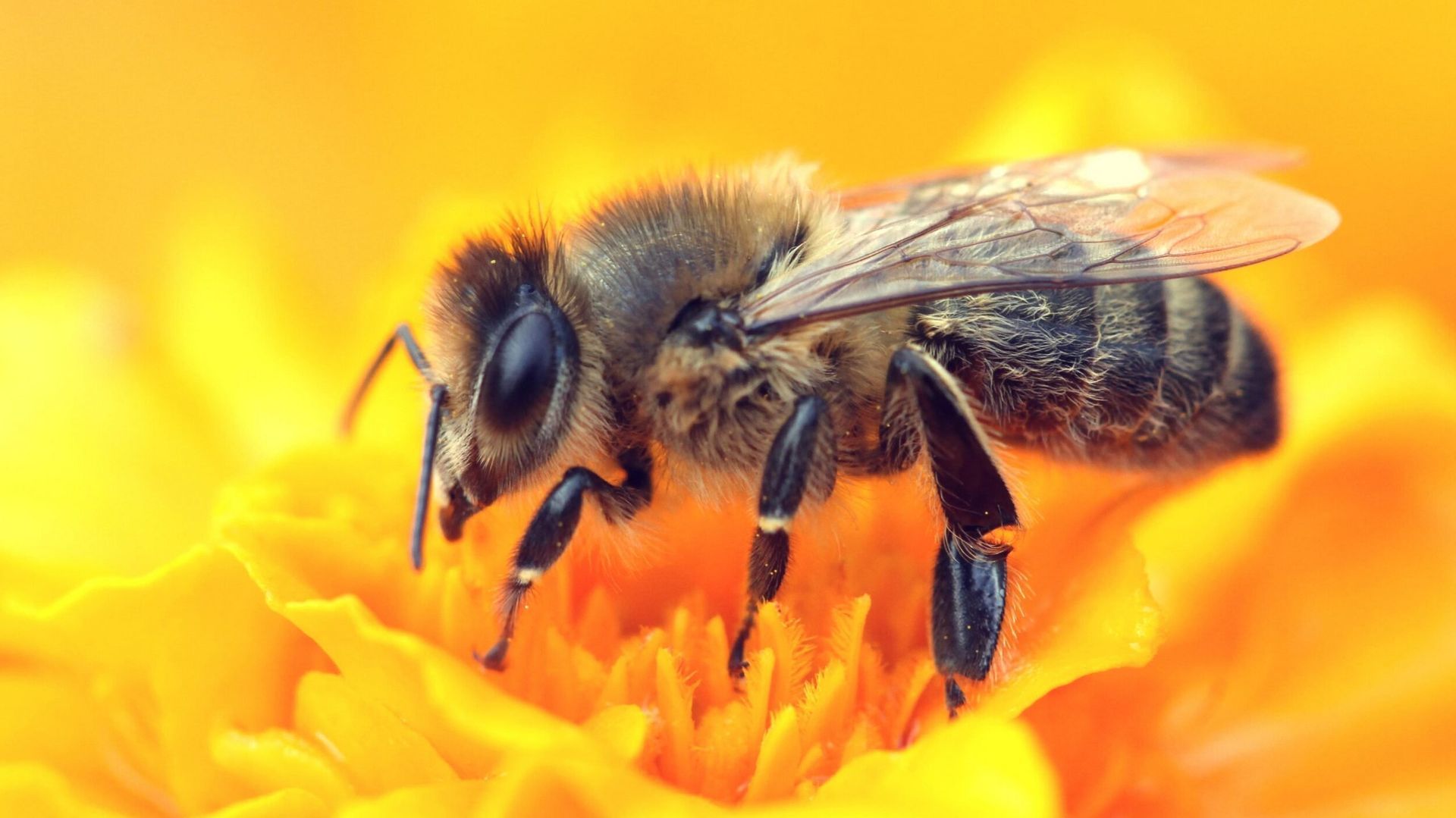
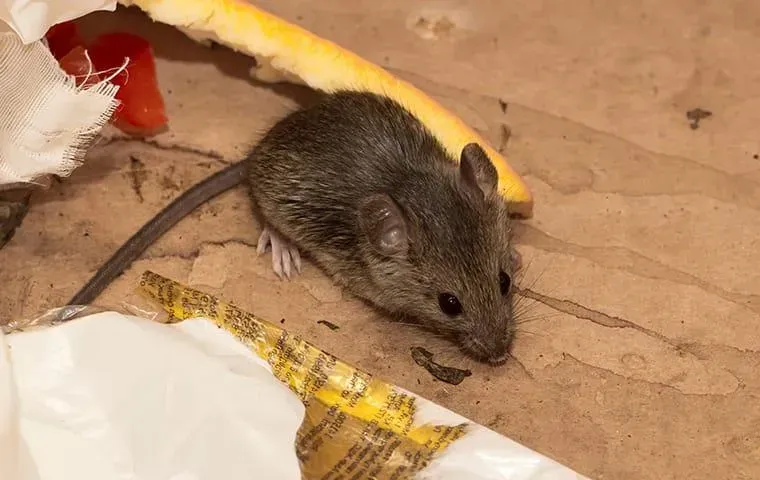
Field Mice
Common Pest
Field mice, small rodents often found in fields and meadows, are known for their rapid reproduction. A female can produce a litter of 4-8 pups every 3 weeks, allowing populations to grow quickly. They defecate frequently, clearing their bowels several times a day. This high reproductive rate and constant foraging behavior help sustain their populations in the wild.
Deer Mice
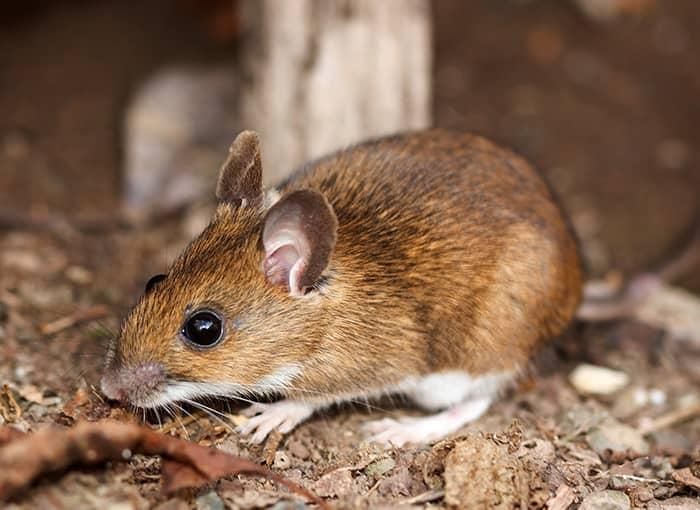
Common Pest | Hazardous
Deer mice are small, agile rodents with soft fur ranging in color from brown to gray, typically with white underbellies. They thrive in varied habitats and are known carriers of the hantavirus, which can be transmitted through their droppings. Handling their feces without proper precautions poses serious health risks, as the orthohanta virus can lead to severe respiratory illness in humans.
Voles
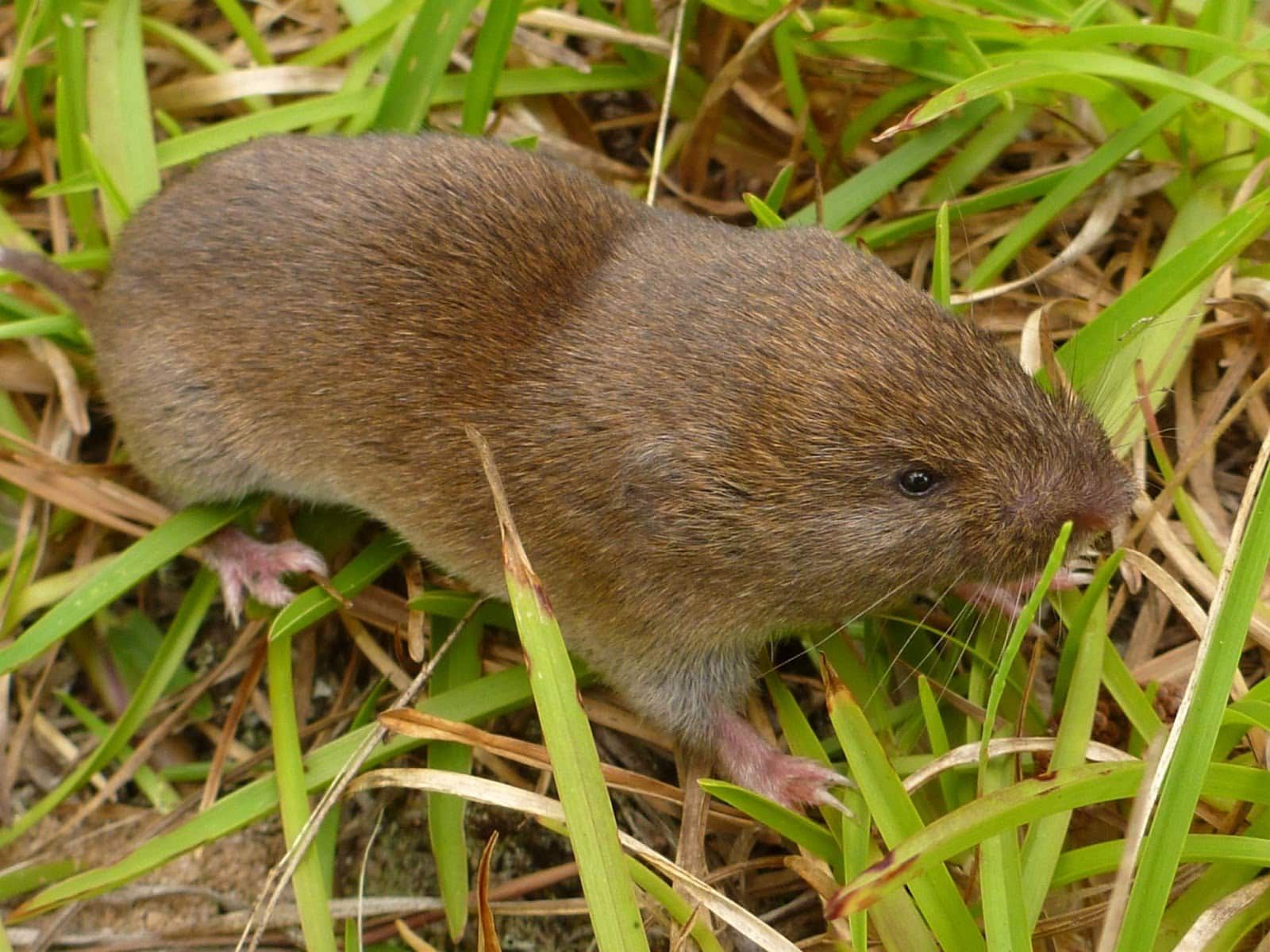
Specialty Pest
Voles are small, burrowing rodents commonly found in residential lawns, where they create intricate tunnel systems. They feed on grasses, roots, and garden plants, leading to visible damage to lawns and gardens. Voles are mostly active at dawn and dusk, exhibiting social behaviors and often living in groups. Their presence can attract predators.
Rats
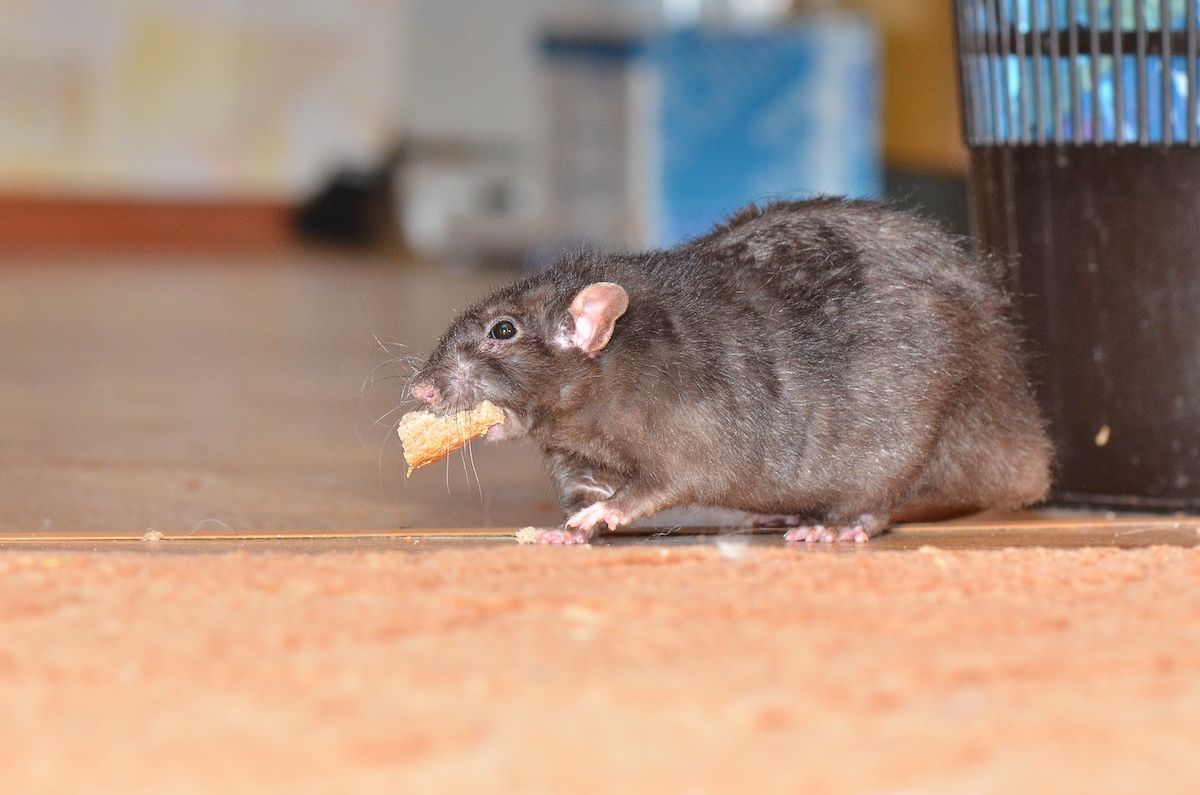
Specialty Pest
Rats are adaptable rodents often found in residential homes, where they scavenge for food and shelter. They are nocturnal and tend to inhabit walls, attics, or basements. Their presence poses health hazards as they can carry diseases and contaminate food sources. Additionally, they may cause structural damage by gnawing on wires and insulation. Prompt pest control is essential.
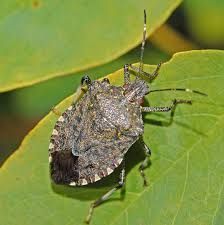
Brown Marmorated Stink Bug
Common Pest
The brown marmorated stink bug is a shield‑shaped invader from East Asia now entrenched in the Pacific Northwest. Adults show mottled brown armor and crisp white bands on the antennae and abdomen edges, a hallmark feature that separates them from native look‑alikes. They spread by hitchhiking in vehicles and produce a pungent odor when handled
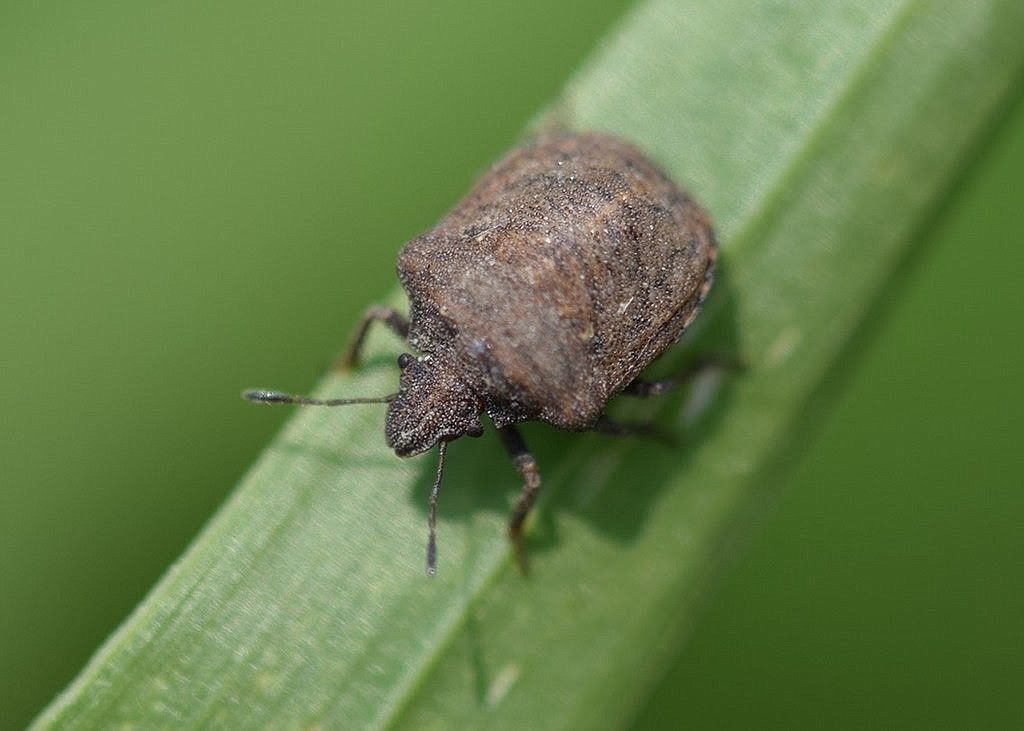
Common Pest
The consperse stink bug is a native species with a pale brown shield and a yellowish underside. Adults lack the distinct white antennal bands of BMSB, and instead may show reddish joints and faint speckling across the pronotum. Nymphs are patterned and often rest on stems and leaves, blending with dry grasses and shrub foliage in open habitats
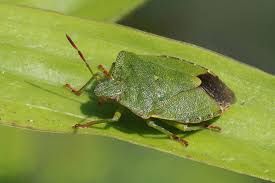
Green Stink Bug
Common Pest
The green stink bug is instantly recognized by its bright, uniform green shield and clean margins. Adults are glossy, with narrow yellow edging, while nymphs shift from darker patterned forms to vivid green as they mature. They favor warm, sunny sites and can disperse readily among gardens, field edges, berry patches, and mixed woodlot borders.
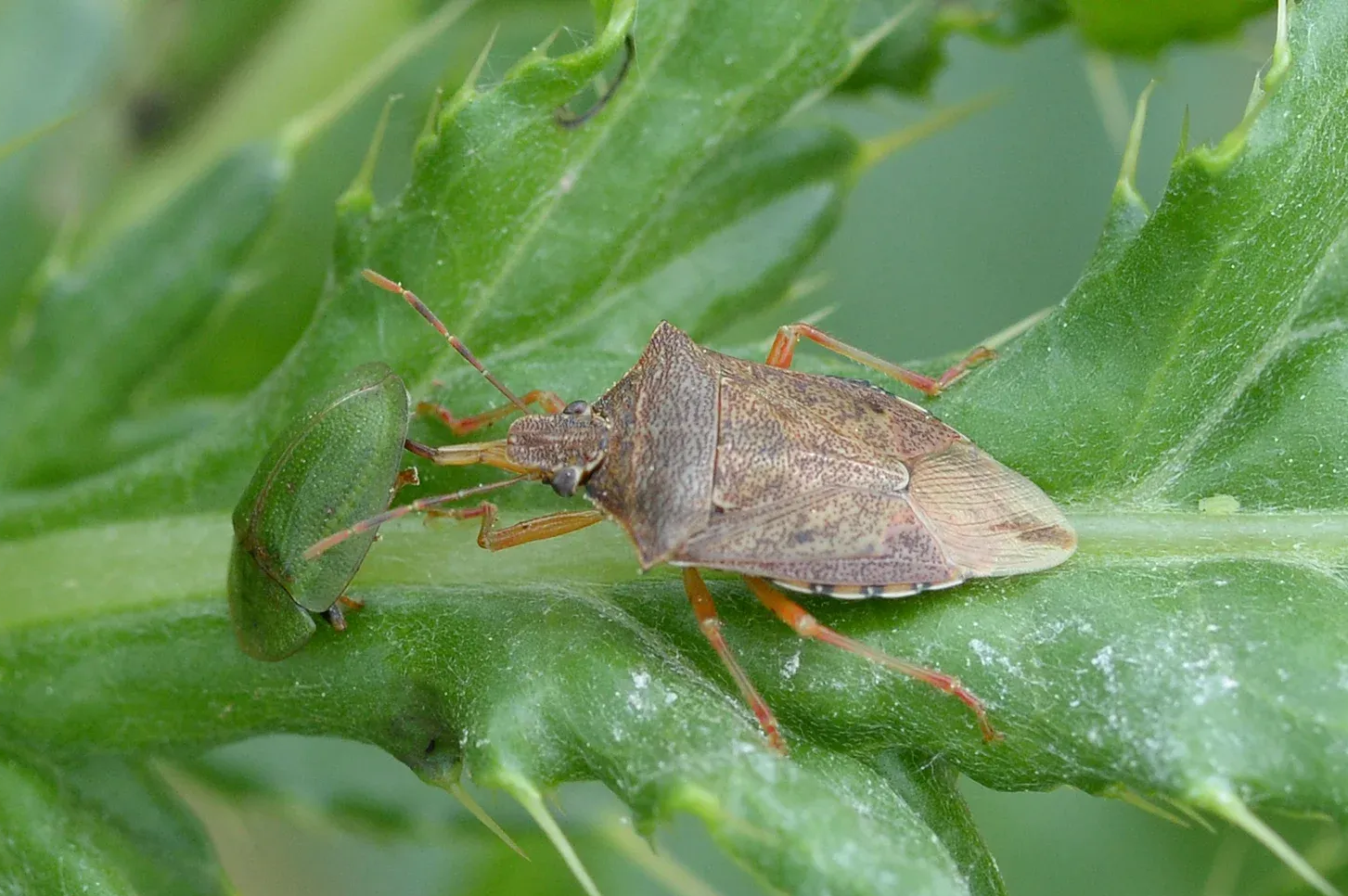
Spined Soldier Bug
Common Pest
The spined soldier bug is a native predatory stink bug distinguished by sharp humeral spines on the shoulders and a sturdy, tan shield. Unlike plant‑feeding relatives, it hunts caterpillars and beetle larvae, including cutworms, armyworms, and Colorado potato beetle. Both nymphs and adults are active hunters that patrol foliage and soil surfaces.
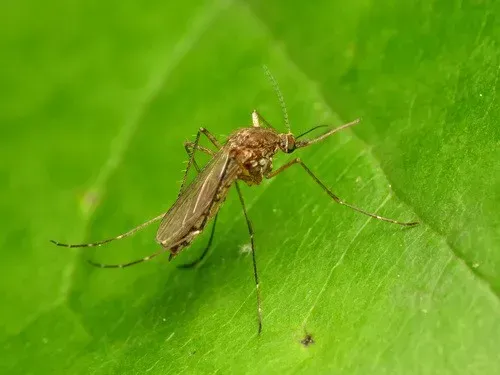
Aedes Vexans Mosquito
Specialty Pest
The Western Malaria Mosquito, a notable species, is recognized for overwintering as a mated female. This adaptive behavior allows it to emerge early in the spring, making it one of the first species to bite as warmer temperatures return. Its role in malaria transmission highlights its importance in ecological studies and public health monitoring.
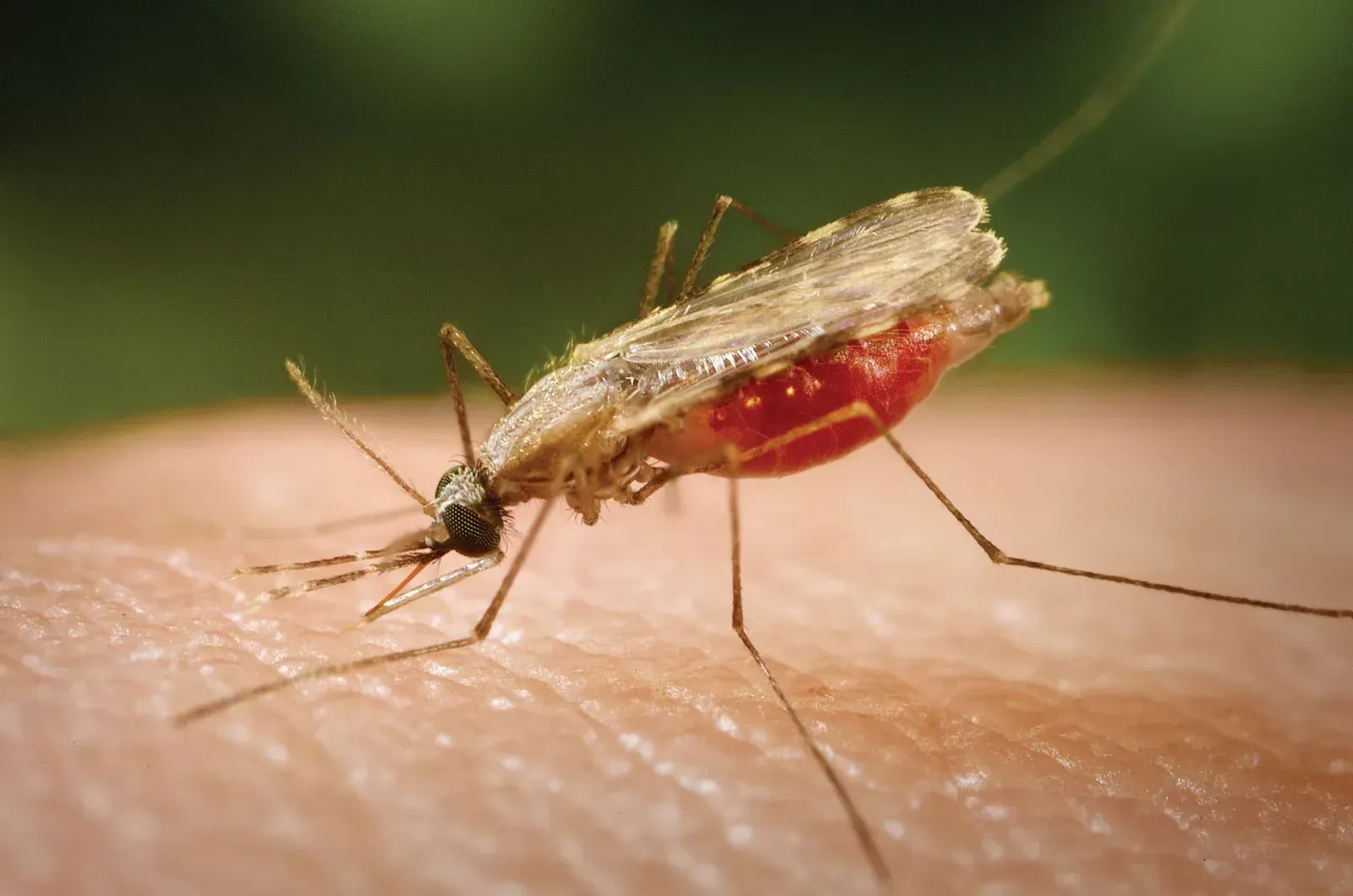
Anopheles Freeborni Mosquito
Specialty Pest
The Inland Floodwater Mosquito is a highly aggressive species known for its daytime bites. It lays its eggs in dry soil, which hatch when flooding occurs, a frequent occurrence due to irrigation practices. These mosquitoes are notorious for their relentless pursuit of hosts, making outdoor activities challenging during their active season. Stay vigilant and take precautions to avoid bites!
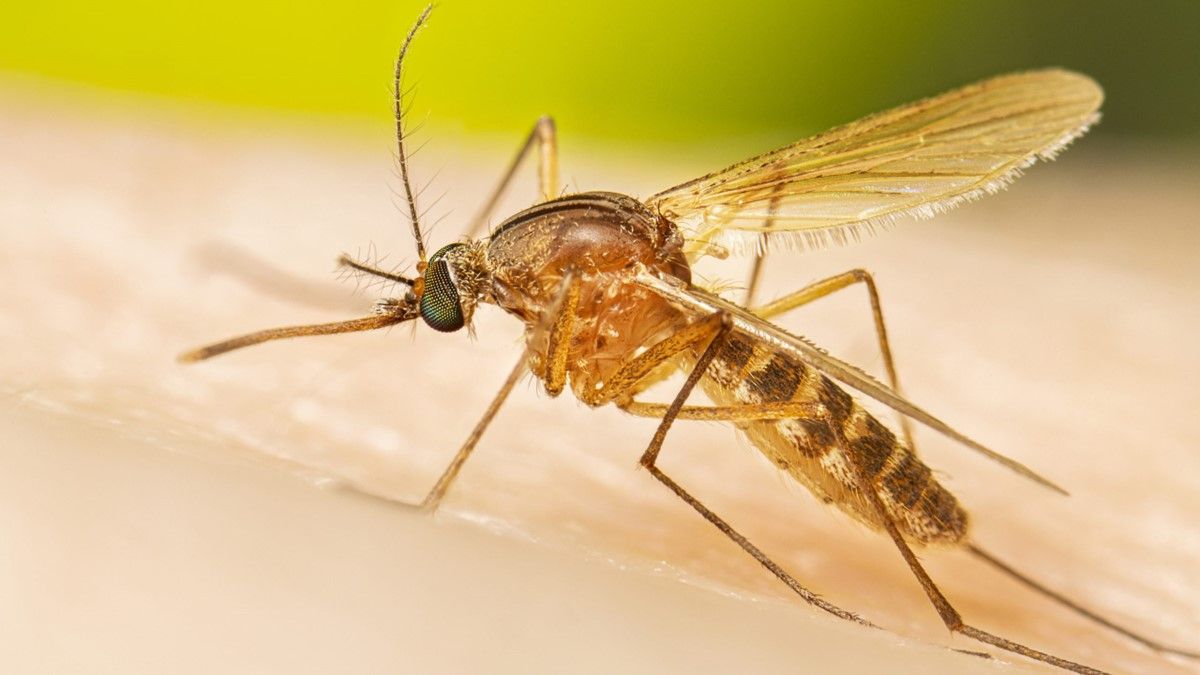
Culex Pipiens Mosquito
Specialty Pest
The Northern House Mosquito thrives in human-dominated environments, often laying its eggs in stagnant water found in containers, catch basins, and retention ponds. This species is notably a vector for West Nile virus, posing public health risks. Awareness of their breeding habits can help in controlling their population and mitigating disease transmission.
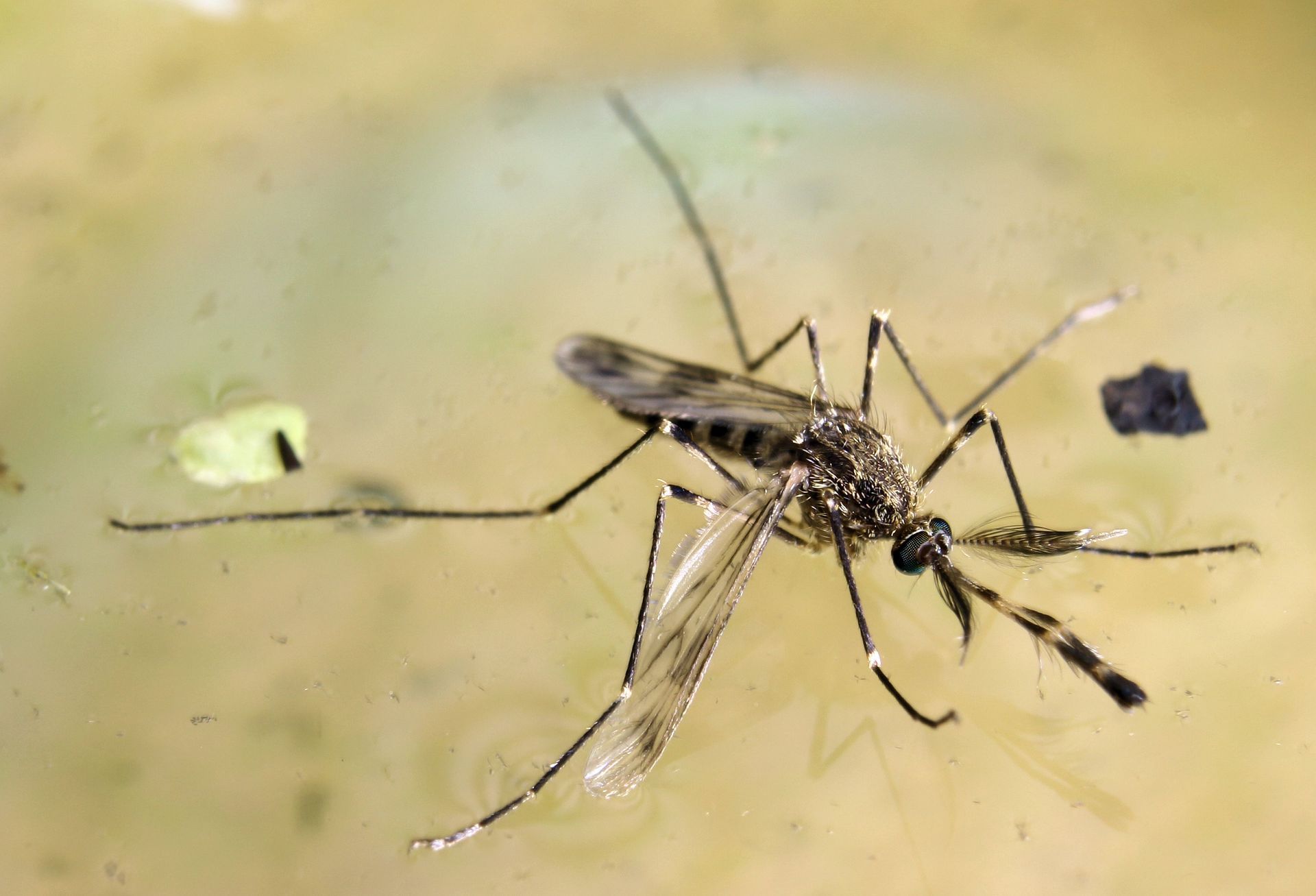
Culex Tarsalis Mosquito
Specialty Pest
Commonly referred to as the Western Encephalitis Mosquito, this species is a key vector for the West Nile virus in the area. It lays eggs in permanent water sources such as ponds, wetlands, and storm drains, making these habitats crucial for its lifecycle. Understanding its breeding patterns is essential for mosquito control efforts and public health protection against viral transmission.
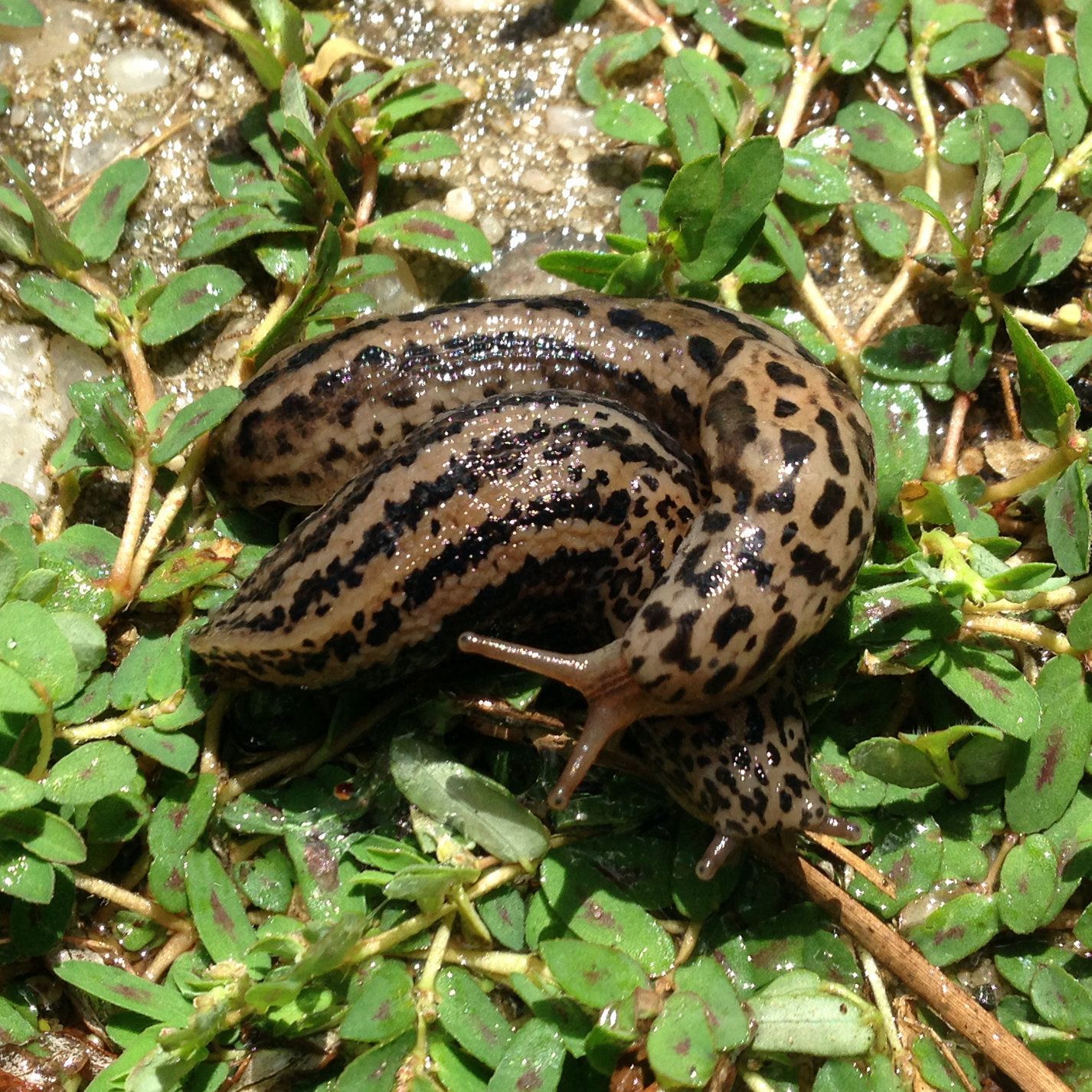
Leopard Slug
Specialty Pest
(Limax maximus): Also known as the giant garden slug, this large, invasive slug has a gray or brown body with distinct black spots or blotches. It is a predator of other slugs and often lives near human settlements.
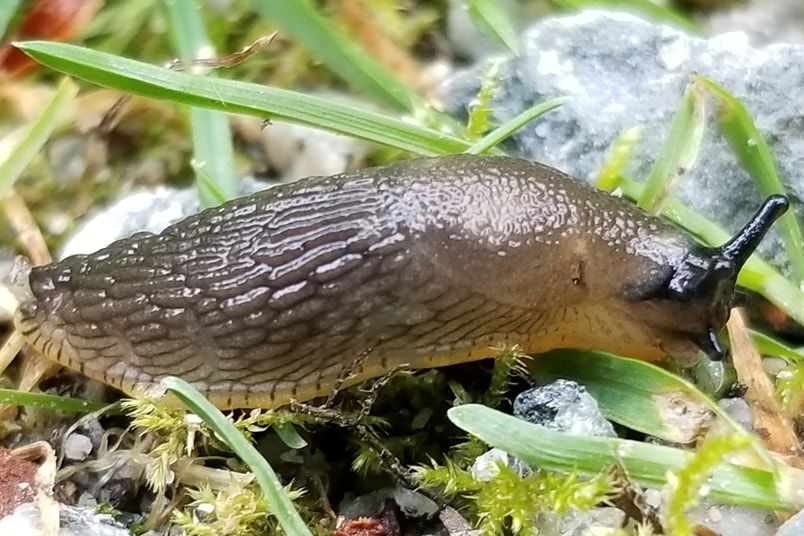
Meadow Slug
Specialty Pest
(Deroceras laeve): This is a smaller, native slug species that can be found in wet meadows, woods, and occasionally greenhouses. It has a dark brown to blackish body and is covered in watery slime.
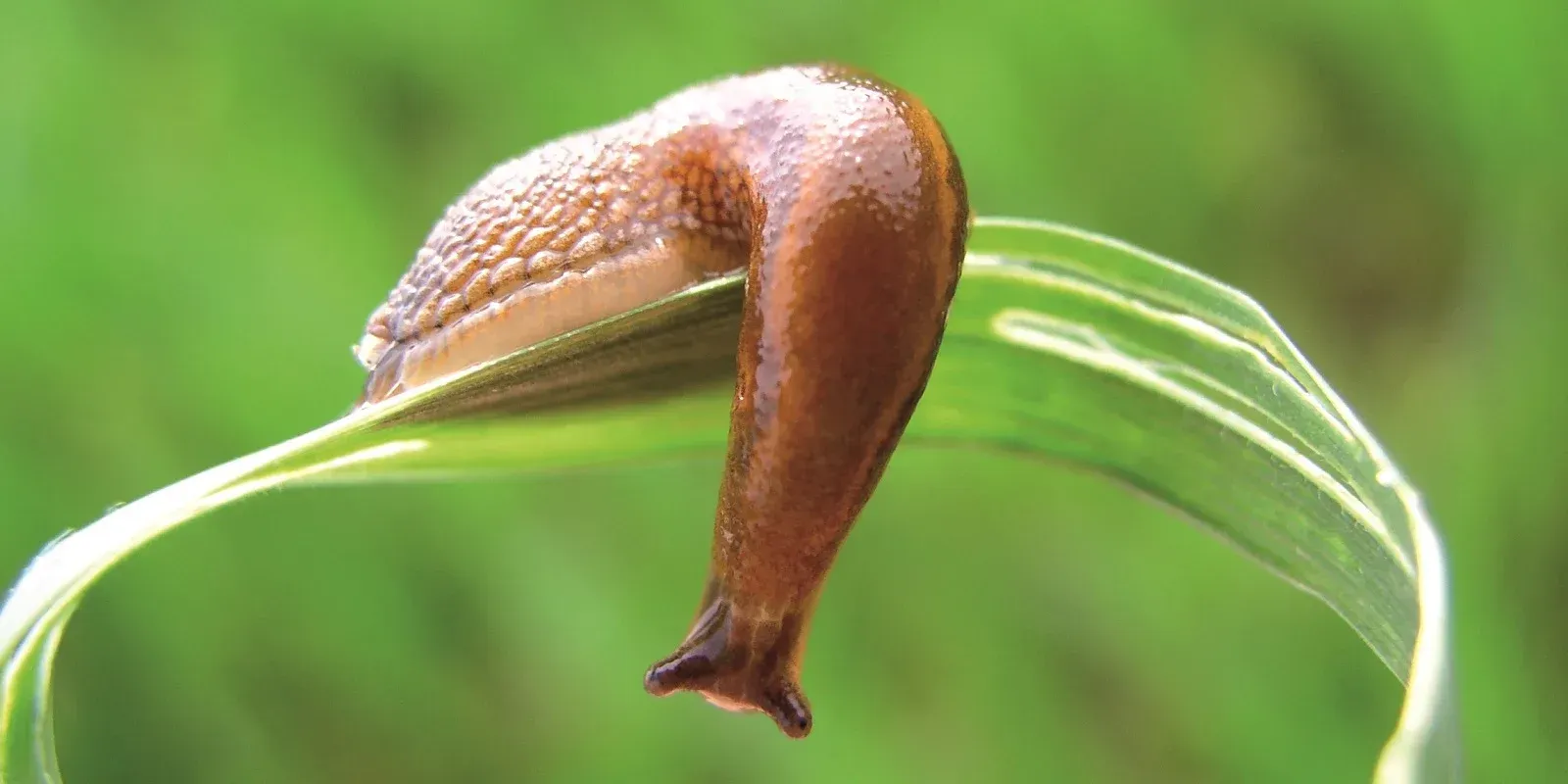
Gray Field Slug
Specialty Pest
(Deroceras reticulatum): An invasive agricultural pest, this slug is typically mottled gray to black and is one of the most common slugs in the Pacific Northwest. It can damage garden crops and is active even in cooler weather.
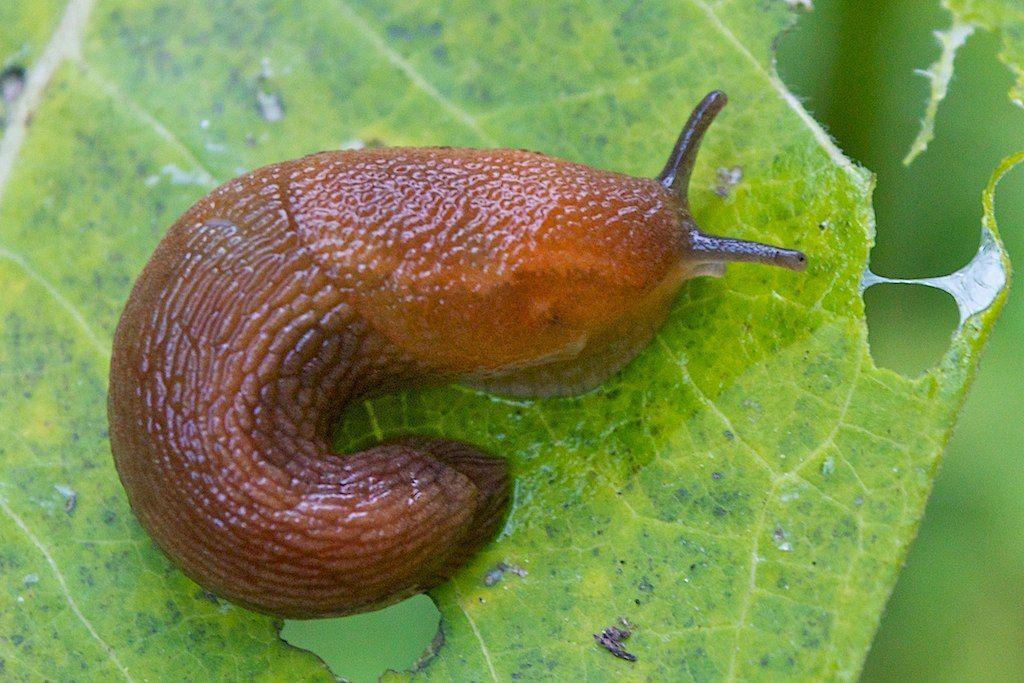
Dusky Arion
Specialty Pest
(Arion subfuscus): This exotic European species is present in Idaho. It has a brownish or reddish body and is one of several Arion species commonly found in the Pacific Northwest.
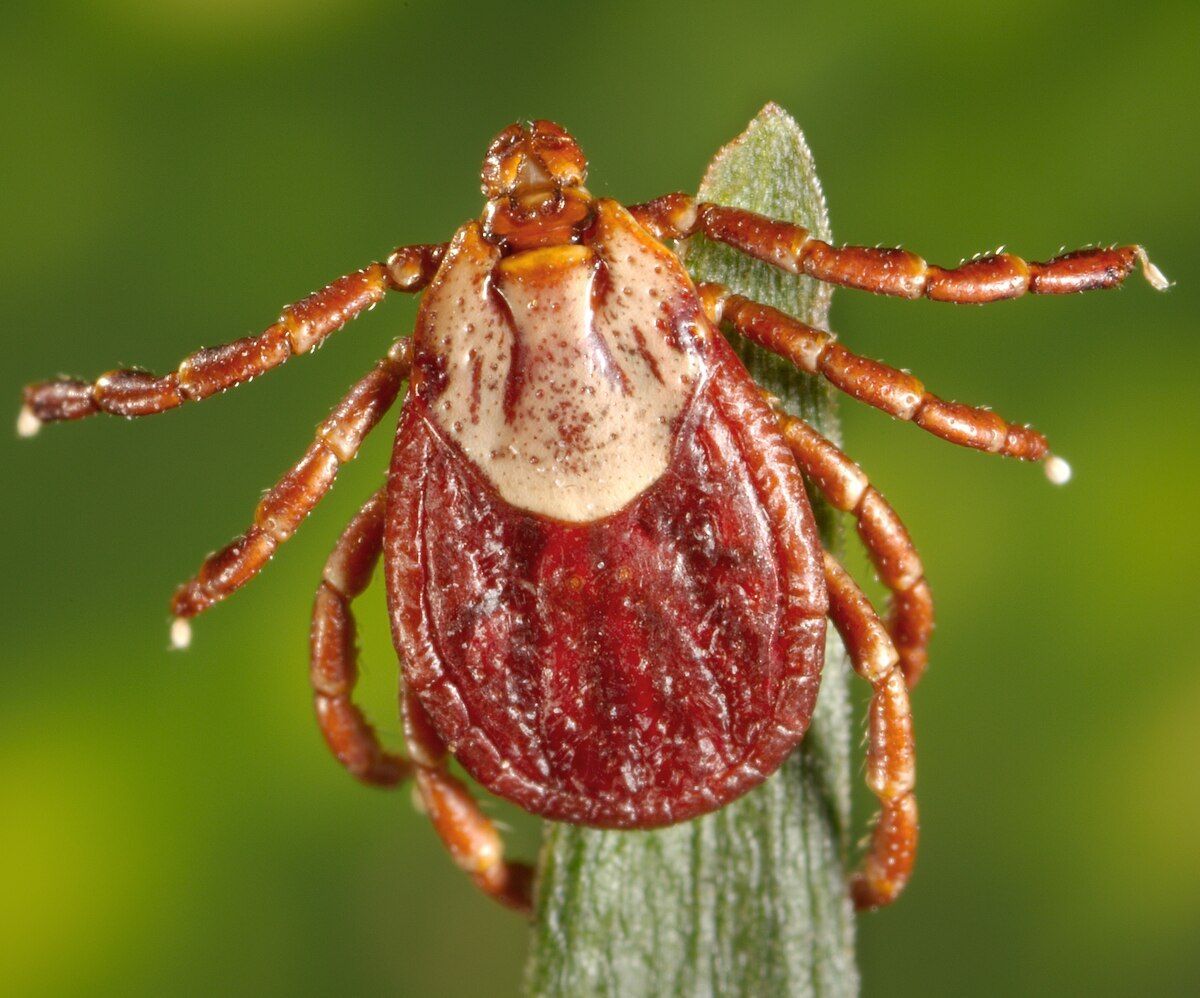
Rocky Mountain Wood Tick
Specialty Pest | Hazardous
(Dermacentor andersoni): A common tick in Idaho, found in areas like sagebrush and coniferous forests, with distinctive white markings on its back. It can transmit Rocky Mountain Spotted Fever, but at low rates.
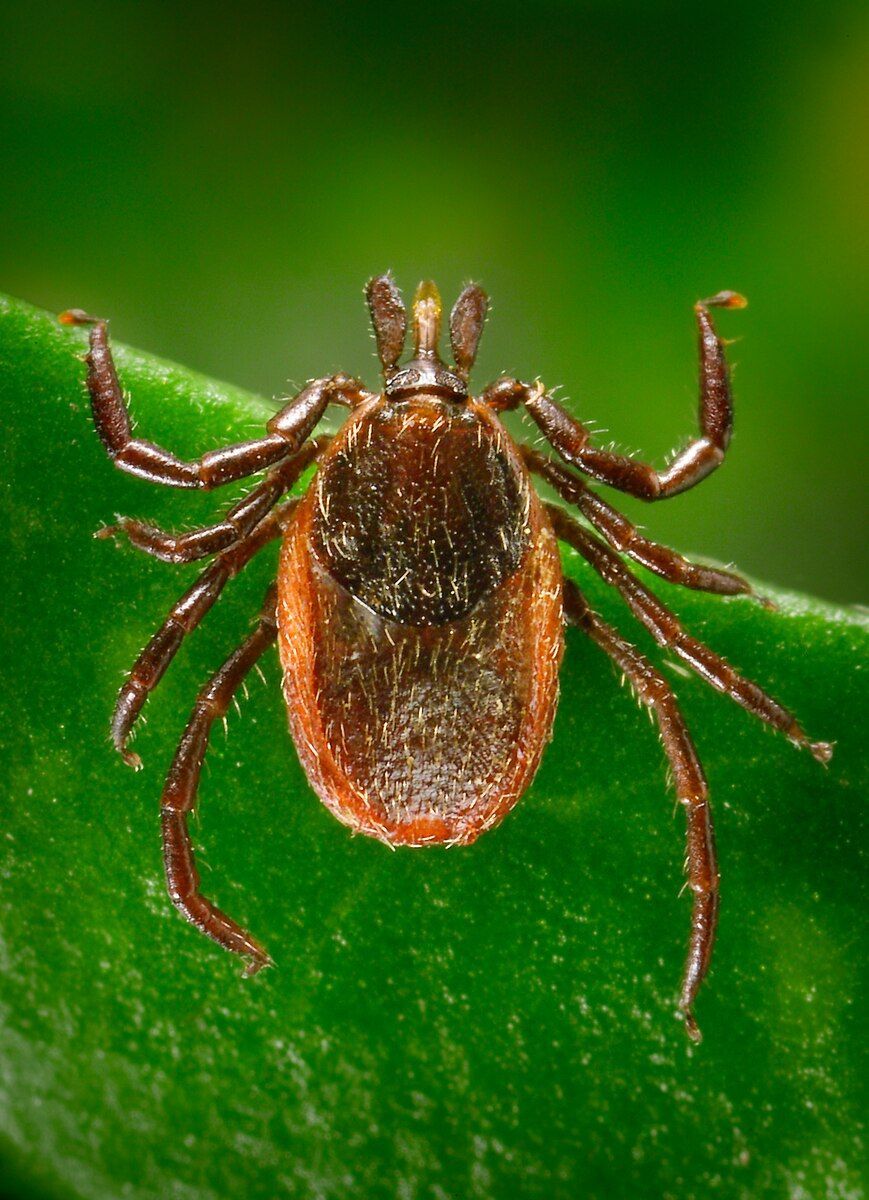
Western Black Legged Tick
Specialty Pest | Hazardous
(Ixodes pacificus): Also known as the deer tick, it is a small, dark brown tick with black legs, often found in woodland and coastal areas. It transmits Lyme disease.
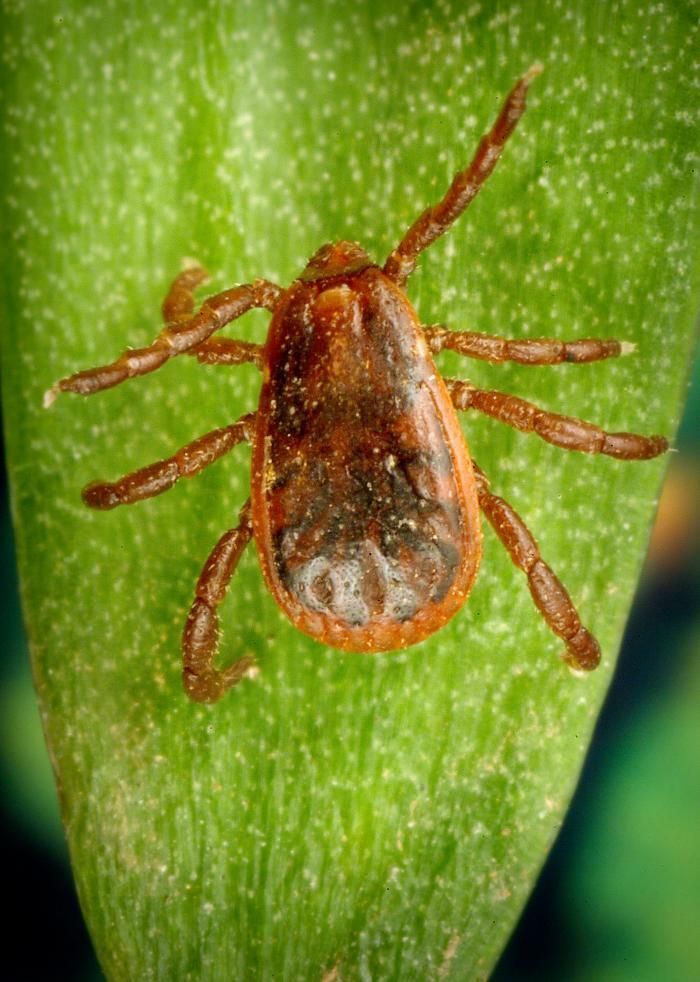
Brown Dog Tick
Specialty Pest
(Rhipicephalus sanguineus): A reddish-brown tick that can infest indoor environments and is often found on dogs
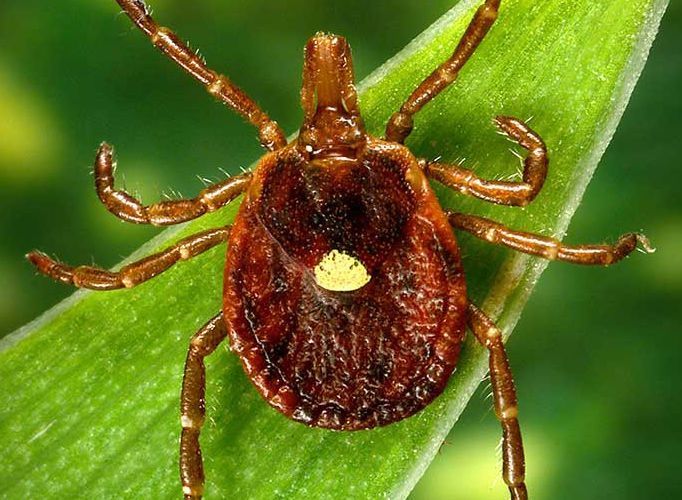
Lone Star Tick
Specialty Pest | Hazardous
A species that transmits an allergy to red meat (alpha-gal allergy) but not Lyme disease. It has been found in some Idaho counties.
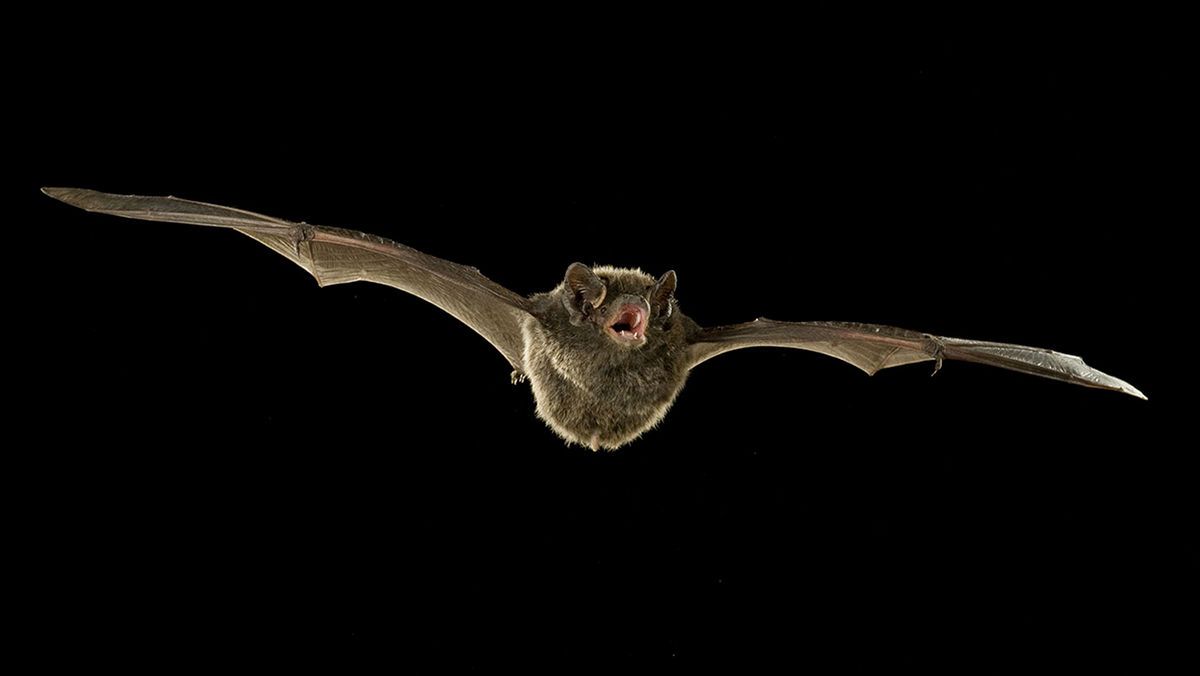
Silver Haired Bat
Specialty Pest
This bat has dark brown or black fur with distinctive white or "frosted" tips, which gives it a silvery appearance. It is a medium-sized bat with small, rounded ears and a wingspan of 11 to 13 inches.
It forages for small- to medium-sized insects, including moths and beetles, over water bodies in conifer forests. The silver-haired bat is relatively tolerant of cold temperatures and may be active later into the season than other bats. It is known to roost in tree cavities, under loose bark, or sometimes in buildings
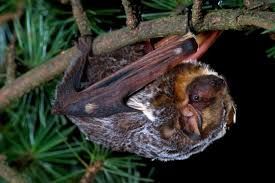
Hoary Bat
Specialty Pest
As one of North America's largest bats, the hoary bat has a wingspan of 13 to 16 inches and a body length of 5 to 6 inches. Its fur is a luxurious mix of brown and gray with frosted white tips, giving it a "hoary" or "frosted" look.
Hoary bats are solitary, migratory, and tree-roosting animals. They are fast, powerful flyers that hunt large insects like moths, often over treetops or along waterways. They use their coloration as camouflage, hanging in tree foliage during the day.
Townsend's Big Eared Bat
Specialty Pest
This medium-sized bat is known for its exceptionally large, flexible ears, which are about half its body length and can be curled back when it is resting. It has two prominent lumps on the snout and fine, soft fur.
Unlike many bats, this species is very sensitive to disturbance, which has contributed to population declines. It is a late-night forager that specializes in eating moths, which it can pluck from vegetation. It roosts in abandoned mines, caves, and old buildings.

Fringed Myotis Bat
Specialty Pest
The fringed myotis is a medium-sized, long-eared bat that gets its name from a distinct fringe of short, stiff hairs on the edge of the membrane between its hind legs. Its wings have a high puncture strength, which is an adaptation for its unique foraging behavior.
This bat is a very maneuverable flyer that forages for insects, including beetles and moths. It is known to glean—or pick—insects off of foliage and sometimes the ground. It roosts in caves, mines, buildings, and tree snags.

Get Rid of Pests Today
At Organix Pest Control, we understand that dealing with general pests can be both frustrating and concerning for residential and commercial properties. While many pests can contribute to the ecosystem, their presence often leads to various challenges, including property damage and health risks.
Common pests, such as ants, rodents, and spiders, can invade your space and disrupt your daily life. Ants can contaminate food sources, rodents can cause structural damage and spread diseases, and spiders can create a sense of unease in your environment. It’s essential to address these issues promptly to maintain a comfortable and safe space for you, your family, and your pets.
Our preferred vendors are trained to identify pest populations and effectively manage their presence, ensuring your home and outdoor areas remain pest-free. They prioritize environmentally friendly methods and safe products, always keeping the well-being of your loved ones and the environment in mind.
Don’t let unwanted pests disrupt your peace of mind. Contact Organix Pest Control today to protect your property from these nuisances and regain control of your space.